Everest/Khumbu Region
Everest–Khumbu Region
Where the Himalayas Meet Living Heritage
The Everest–Khumbu region is one of the most remarkable mountain landscapes in Nepal, combining dramatic Himalayan scenery with a rich living culture shaped by generations of Sherpa communities. Home to Mount Everest (8,848.86 m), the region extends through the high valleys, forests, glaciers, and settlements of northeastern Nepal.
Located within Solukhumbu District of Koshi Province, the Khumbu is internationally renowned for trekking and mountaineering, but its significance extends far beyond adventure. Its monasteries, traditional villages, sacred landscapes, festivals, and unique mountain environment make it an important cultural and natural heritage destination.
Geography
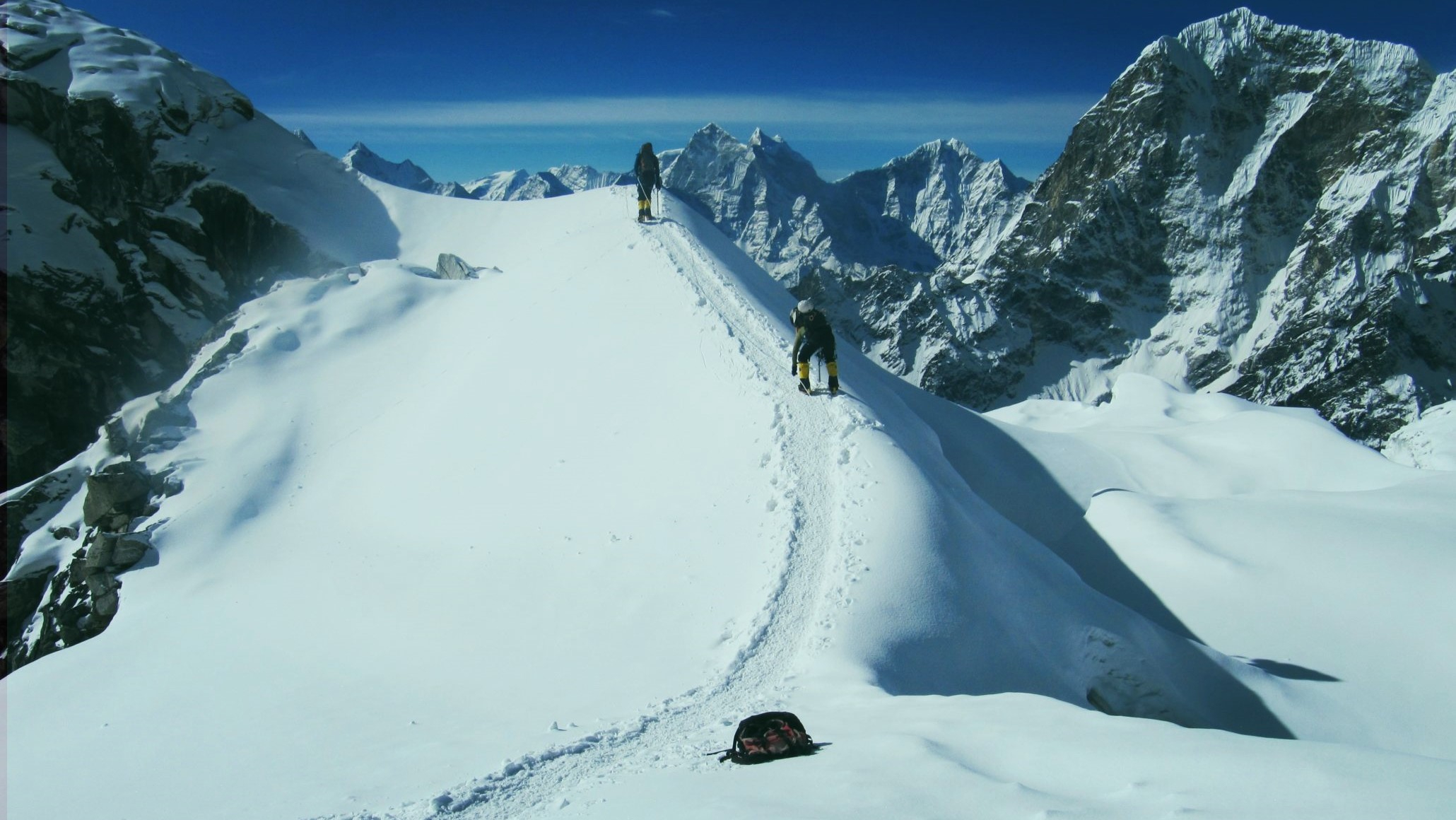
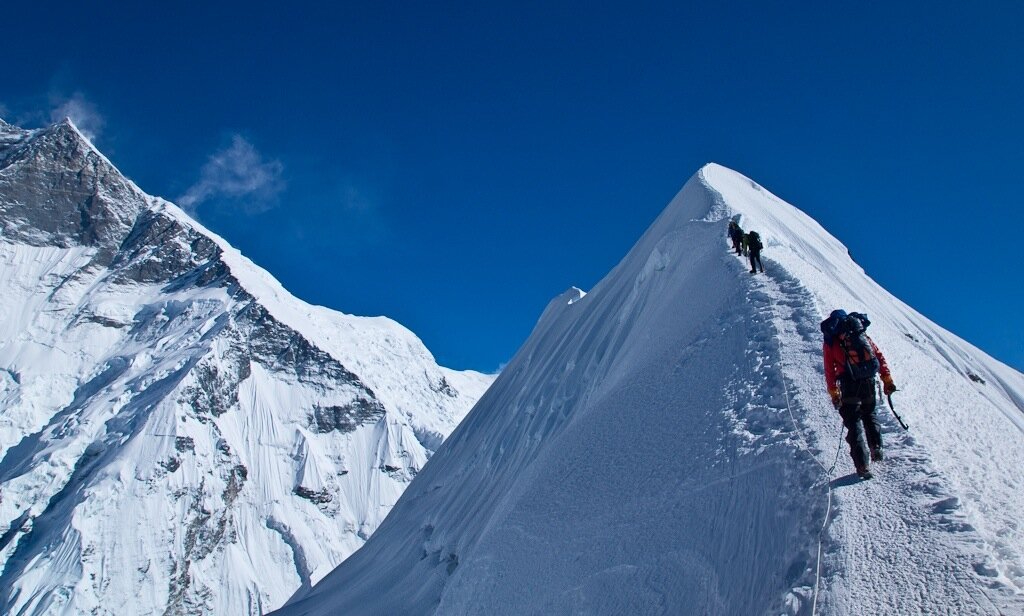
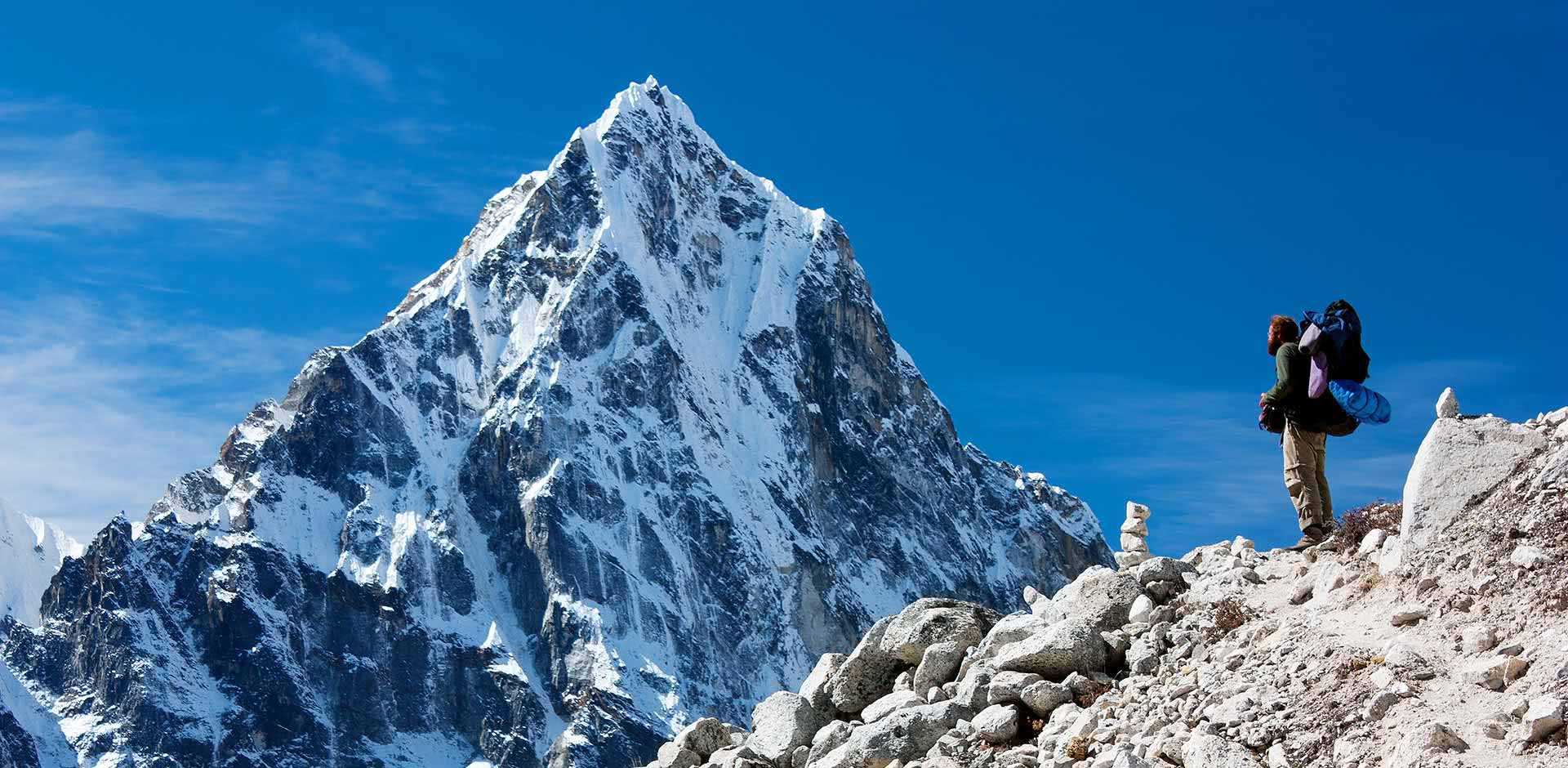
The Khumbu region lies in the northern part of Nepal, close to the border with Tibet. The landscape rises dramatically from lower mountain valleys to some of the highest peaks on Earth.
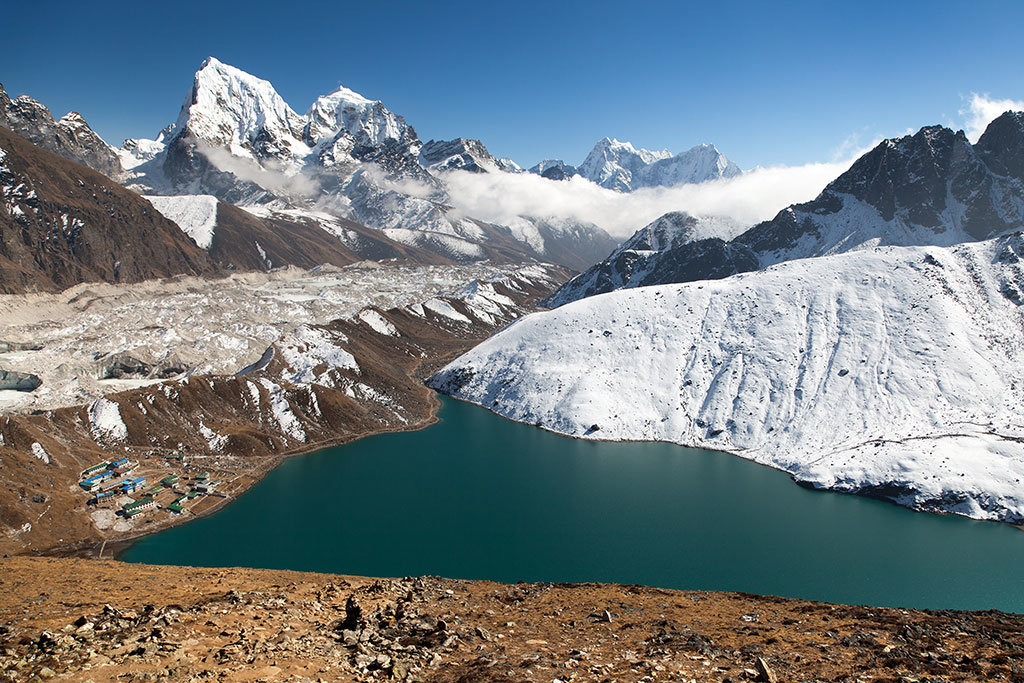
The region includes deep valleys, alpine meadows, rugged mountain slopes, glaciers, and high-altitude passes. Among its most prominent geographical features are the Khumbu Glacier, Khumbu Icefall, and the valleys leading toward Everest Base Camp.
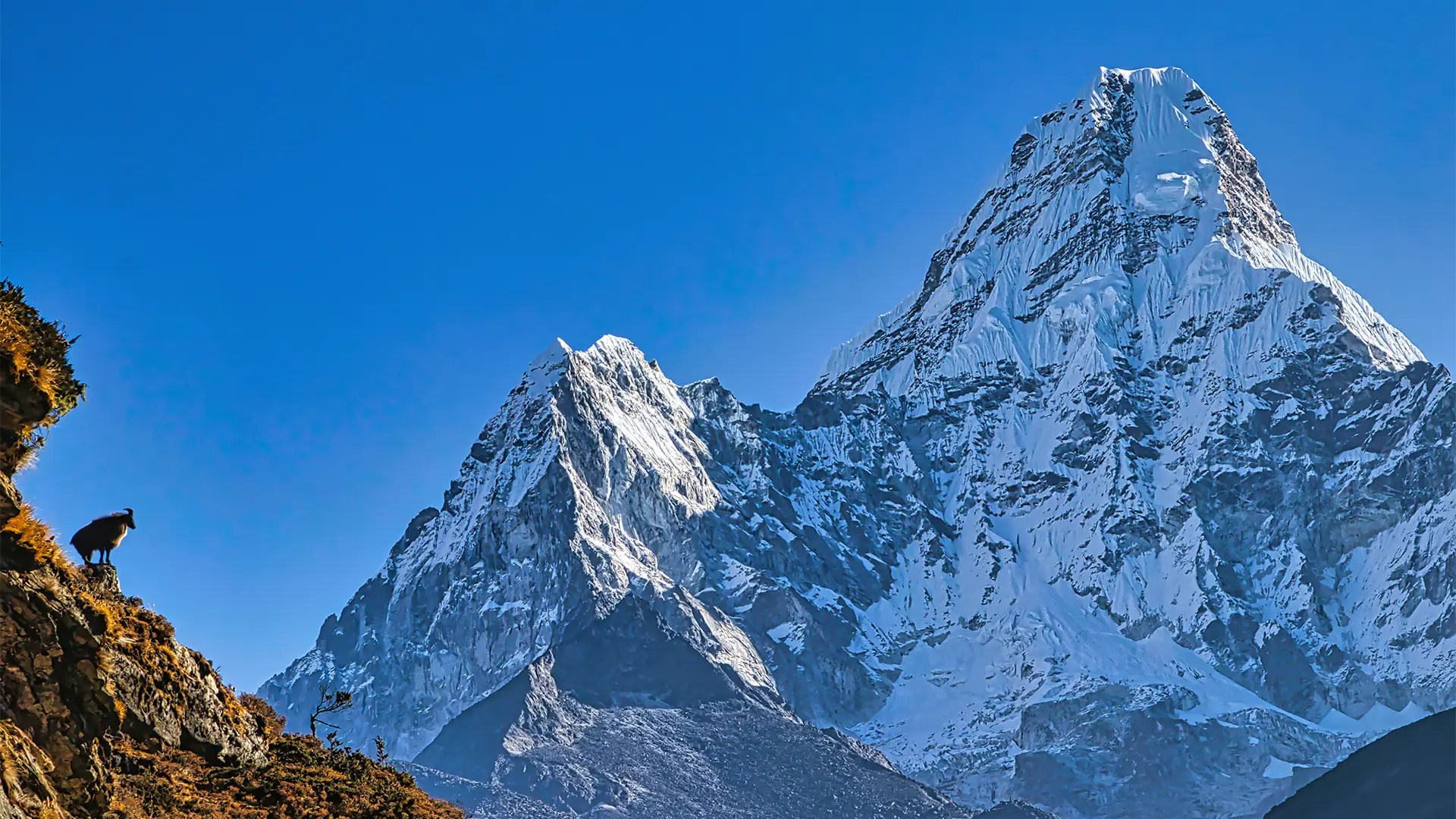
The landscape is dominated by spectacular Himalayan peaks, including:
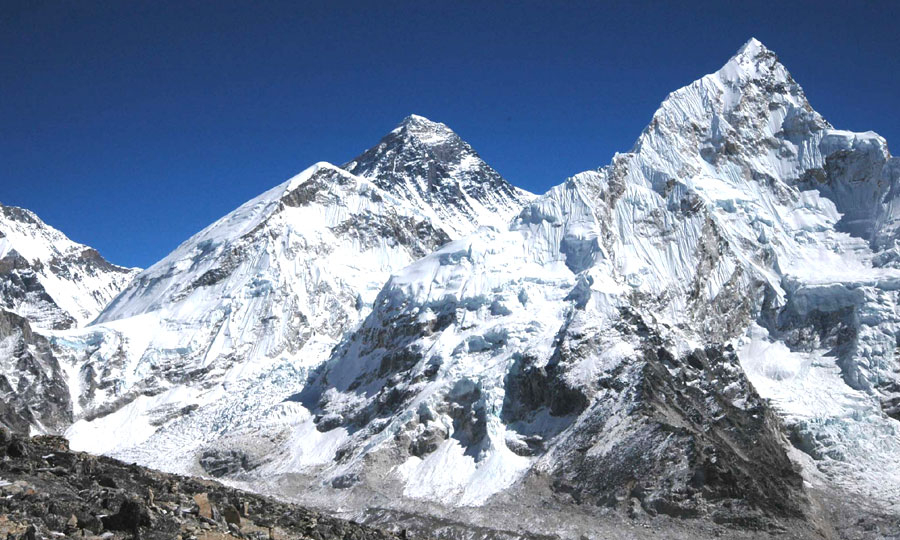
Mount Everest – 8,848.86 m
Lhotse – 8,516 m
Cho Oyu – 8,188 m
Ama Dablam – 6,812 m
Thamserku – 6,623 m
Kongde Ri – 6,187 m
The region's extraordinary variation in elevation creates distinct ecological zones, from mountain forests to high alpine and glacial environments.
Altitude
Altitude is one of the defining characteristics of the Everest–Khumbu region. Elevation increases rapidly as the landscape rises toward the world's highest peaks.
Important locations include:
Lukla: approximately 2,860 m
Namche Bazaar: approximately 3,440 m
Tengboche: approximately 3,860 m
Dingboche: approximately 4,410 m
Lobuche: approximately 4,940 m
Everest Base Camp: approximately 5,364 m
Kala Patthar: approximately 5,550 m
Mount Everest: 8,848.86 m
The high elevation makes gradual acclimatization particularly important for visitors. Weather and altitude conditions can change quickly, especially above the tree line.
Sherpa Culture
The Khumbu is traditionally associated with the Sherpa people, whose history, language, customs, and traditions form an essential part of the region's identity.
Sherpa communities have developed a way of life adapted to the challenging Himalayan environment. Hospitality, community cooperation, respect for elders, family traditions, and spiritual practices remain important elements of Sherpa society.
Traditional stone houses, mani walls, prayer flags, chortens, monasteries, and mountain trails provide visible connections to the region's cultural heritage.
Sherpa communities have also played a major role in Himalayan mountaineering and trekking. Their extensive knowledge of the mountains, high-altitude environment, and traditional routes has contributed significantly to expeditions and tourism in the Everest region.
Religion and Spiritual Heritage
Tibetan Buddhism is deeply rooted in the cultural and spiritual life of many Sherpa communities in the Khumbu. Buddhist traditions influence festivals, family ceremonies, community life, and people's relationship with the natural environment.
Throughout the region, visitors encounter:
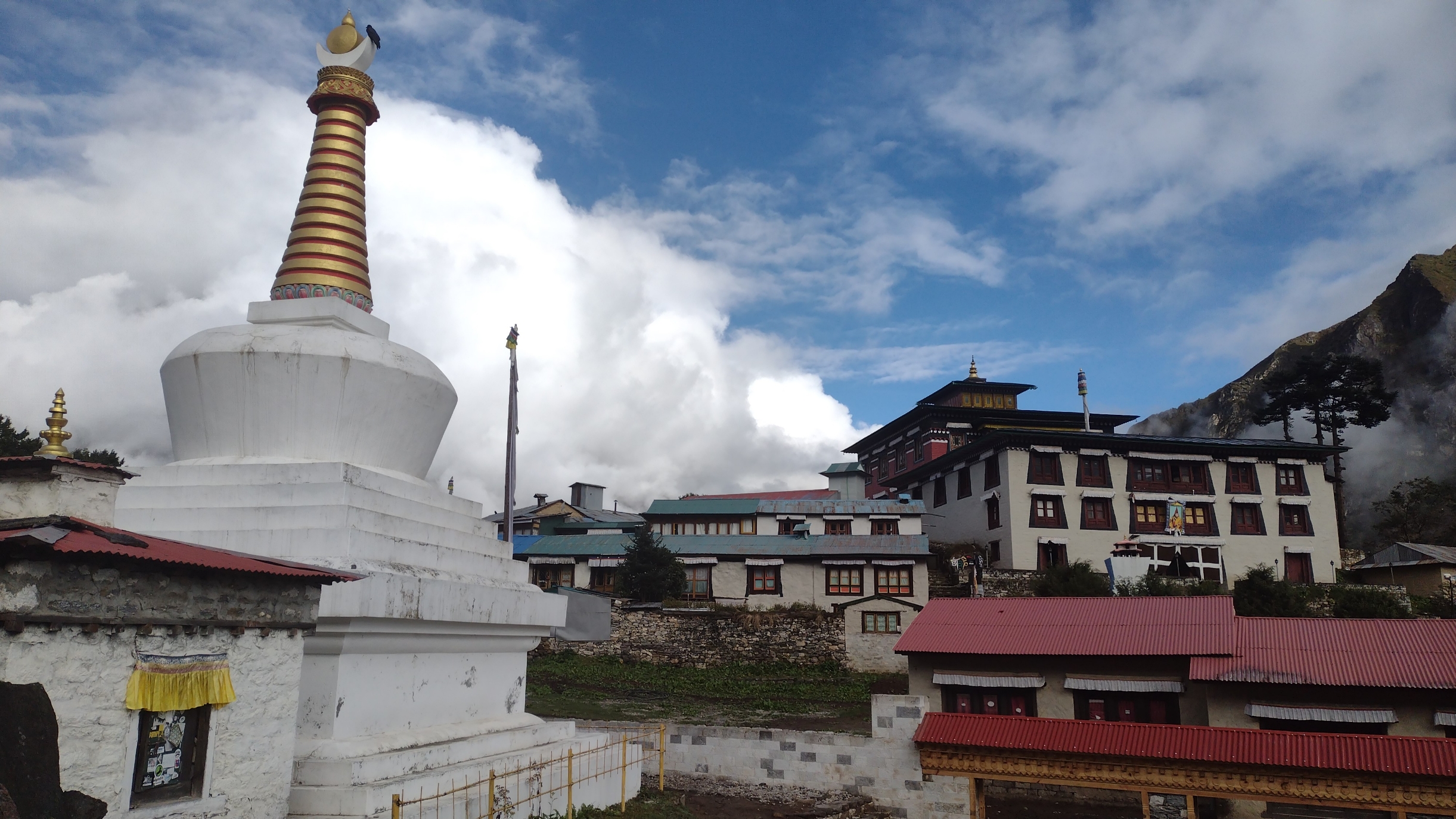
Buddhist monasteries
Chortens and stupas
Mani walls
Prayer wheels
Prayer flags
Sacred landscapes and mountain traditions
Tengboche Monastery is one of the most important Buddhist monasteries in the Khumbu and is a major spiritual and cultural landmark on the route toward Everest.
Religious sites are active places of worship, and visitors are encouraged to respect local customs, ceremonies, and sacred spaces.
Environment and Biodiversity
The Everest–Khumbu region contains diverse Himalayan ecosystems, ranging from temperate and subalpine forests to alpine meadows, rocky mountain terrain, glaciers, and permanent snowfields.
Much of the region falls within Sagarmatha National Park, a protected area established to conserve the unique natural and cultural heritage of the Everest region. The park is home to species adapted to high-altitude environments, including Himalayan tahr, musk deer, Himalayan monal, and other mountain wildlife.
The landscape also contains important forests of rhododendron, fir, pine, birch, juniper, and other Himalayan vegetation, with plant communities changing according to elevation.
The region's fragile environment faces challenges including climate change, changing glacier conditions, waste management, increasing tourism pressure, and the conservation of high-altitude ecosystems. Responsible tourism and environmental stewardship are therefore important for protecting the Khumbu for future generations.
Temperature and Climate
The Everest–Khumbu region experiences significant variations in temperature because of its extreme range of elevation.
Spring: March–May
Spring brings gradually warmer temperatures, clearer mountain views, and blooming rhododendrons in lower and middle elevations. It is one of the major trekking seasons.
Summer/Monsoon: June–September
The monsoon brings precipitation to much of Nepal. Clouds, rain, and reduced mountain visibility can affect travel conditions, although the higher Khumbu receives less monsoon rainfall than many lower areas.
Autumn: October–November
Autumn generally brings stable weather, clear skies, and excellent mountain visibility. It is one of the most popular periods for trekking and mountaineering.
Winter: December–February
Winter brings cold temperatures, snowfall, and freezing conditions at higher elevations. Days can be sunny, while nights and mornings can be extremely cold, particularly above 4,000 metres.
Note: Temperatures vary considerably by altitude, season, time of day, and weather conditions. High-altitude conditions can change rapidly, so travelers should prepare appropriately.
Festivals and Cultural Celebrations
Festivals are an important expression of Sherpa identity and Buddhist heritage. They bring communities together through religious ceremonies, prayers, music, traditional dances, and social gatherings.
Mani Rimdu
Mani Rimdu is one of the most celebrated Buddhist festivals in the Khumbu. It is particularly associated with Tengboche Monastery and includes religious ceremonies, prayers, traditional masked dances, and community gatherings.
Losar
Losar, the Tibetan and Himalayan New Year, is celebrated by many Himalayan Buddhist communities. The occasion is marked by prayers, family gatherings, cultural activities, and traditional celebrations.
Dumji
Dumji is an important Sherpa community festival traditionally associated with religious ceremonies and communal gatherings. Celebrations and customs can vary among different villages and communities.
Festivals follow traditional lunar calendars, so their dates change from year to year.
Mount Everest
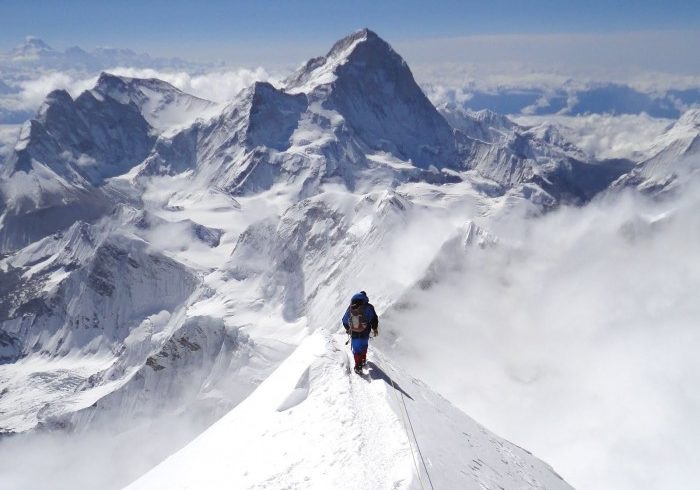
At 8,848.86 metres above sea level, Mount Everest is Earth's highest mountain above sea level. In Nepal, it is known as Sagarmatha, while in Tibetan it is known as Chomolungma.
For the people of the Khumbu, Everest is not simply a mountain or an adventure destination. The surrounding Himalayan landscape has deep cultural and spiritual significance.
The journey toward Everest Base Camp passes through a remarkable sequence of Sherpa settlements, monasteries, forests, suspension bridges, high valleys, glaciers, and mountain viewpoints. This combination of natural beauty and cultural heritage makes the Everest region one of the world's most distinctive mountain destinations.
A Region of Nature, Culture and Adventure
The Everest–Khumbu region brings together three extraordinary dimensions: the power of the Himalayas, the resilience of its people, and the richness of its living culture.
From the forests around Namche Bazaar to the high valleys of Dingboche and the glaciers beneath Everest, every part of the journey reveals a different aspect of the Himalayan landscape.
For visitors, the Khumbu is more than a route to Everest Base Camp. It is an opportunity to experience a unique mountain environment, learn about Sherpa heritage and Buddhist traditions, and travel through a landscape where nature and culture remain deeply connected.
Everest–Khumbu: where extraordinary mountains, living culture, and Himalayan wilderness come together.
-1766992273.jpg)